

Conversations with Zora,
A Book of Essays
Overview
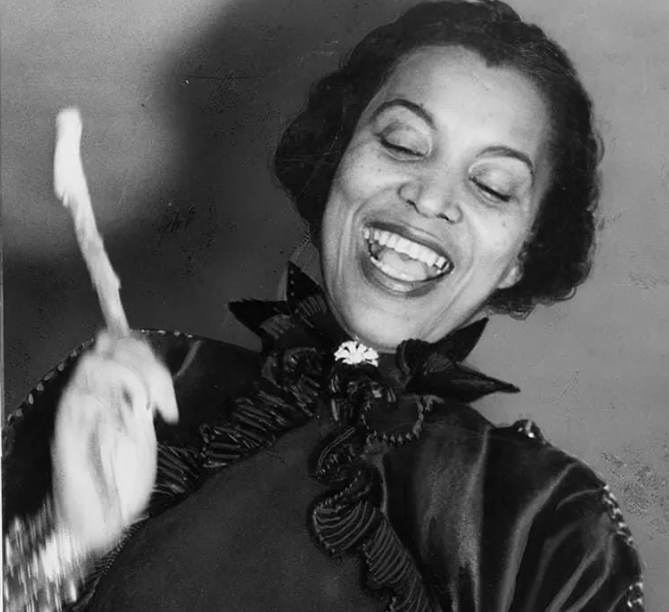
Conversations with Zora is a series of essays written as speculative conversations with Zora Neale Hurston (1891–1960), novelist, anthropologist, folklorist and filmmaker, as if she could speak to us today. This is born out of a deep curiosity about how she would reconcile her experiences and ideas with the decades between her death and today. Each curiosity will be the focus of an essay and the speculative response from Zora will come from extrapolations from her novels, ethnographies, letters and the archival record. Zora asks questions too. I imagine the aspects of today's culture, politics and technologies that may be curious to her. What might we find in terms of our mutual respect and critique across 70+ years?
Alongside my written conversations will be a version written by an AI model, yet to be determined, trained on the same body of research. The two are presented side by side. Again, I am curious about what connections and synthesis an AI might extrapolate that I would not. Will it be more comprehensive? Will it find my blindspots? Will it write complete slop?
Zora is hard to hold in one hand. She elevated Southern Black speech to high art, was a pioneering anthropologist, and centered Black women's desire and self-discovery decades before the culture caught up. She was also a conservative who opposed the New Deal and school desegregation and quarreled with nearly every ally she had. Some read her as a visionary of Black autonomy. Others read her as someone who accommodated injustice.
The series asks how she reconciled these, and whether she even saw them as contradictions.
About Zora
Zora Neale Hurston (1891–1960) was a novelist, anthropologist, folklorist and filmmaker, and one of the central figures of the Harlem Renaissance. Born in Notasulga, Alabama, she grew up in Eatonville, Florida, one of the first all-Black incorporated towns in America, where her father served as mayor. She studied at Howard University and became the first Black student at Barnard College, where she trained in anthropology under Franz Boas.
She collected Black folklore across the American South, Haiti and Jamaica, published in Mules and Men (1935) and Tell My Horse (1938). Her novel Their Eyes Were Watching God (1937) set Southern Black speech and a Black woman's inner life at the heart of American literature. Her interviews with Kossola (Cudjo Lewis), a survivor of the last known slave ship to reach the United States, became Barracoon, published in 2018. Her autobiography, Dust Tracks on a Road, appeared in 1942.
She was also an independent and often contrary political thinker. A Republican, she opposed the New Deal and the 1954 Brown v. Board of Education decision, and she refused to write fiction centered on racial suffering. She broke with friends such as Langston Hughes, and critics like Richard Wright attacked her use of dialect. She died poor and largely forgotten in 1960, in a Florida county welfare home. In 1975 Alice Walker's essay "In Search of Zora Neale Hurston" brought her back to readers, and she is now celebrated as one of the great American writers.
"There are years that ask questions and years that answer." — Zora Neale Hurston, Their Eyes Were Watching God
The Origin
I was around 13 or 14 when I first read Their Eyes Were Watching God. This was part of an exploration that started in late elementary school of the works of Toni Morrison, Maya Angelou, Alice Walker and other great Black women writers. Along with their great works, Zora helped shape my feeling of being a black woman and the lineage I come from more broadly. She taught me about my history, but not clinically. She gave me the feeling of it through the poetry of rhythmic dialect that somehow carried through the static type on the page. Through characters that had a kind of swagger and complexity, strength and weakness I responded to. She spoke to something deep within, and became a model for the kind of artist I wanted to be, in the way she affected the hearts of her readers.
Years later, at the height of the Black Lives Matter movement, I read her autobiography, Dust Tracks on a Road, and confronted a section about the barbershop on G Street. It was 1918, and she was saving for her Howard University tuition by working as a manicurist in George Robinson's Black-owned barbershop in Washington DC, which served only white customers. When a Black man walked in and demanded to be served, the barbers threw him out, and Zora wrote that she wanted him gone too.
I was shocked out of my reverence for her, because I would have sided (or at least think I would have sided) with the man. He was on the right side of justice. Her rationale was that he was putting Mr. Robinson’s business at risk, as well as the other shops he owned. Mr Robinson, perhaps somewhat subversively, financed her and many other students going to Howard. The income he got from the Barbershop was educating dozens of black people, who later became part of the Harlem Renaissance, the Talented Tenth, and breakers of glass ceiling in their varied careers. Was that trade off right? Was the sacrifice of the dignity and rights of one black man worth the longer term systemic change made by Mr. Robinson’s barbershop beneficiaries?
Conversations
The essays come from a place of admiration, curiosity and respectful critique. I’m trying to reconcile a beloved writer that impacted my life in positive ways with ideas she formed a hundred years ago. Some resonate deeply with my own and some feel discordant with mine. This is not an attempt to force a verdict on who is right or wrong on any of the topics discussed, it is simply a series of conversations to understand more.
I am not sure where the conversations will go as I develop this project. I’m sure current events that unfold and discoveries in her archive materials will spark more curiosities to discuss. Here is an example of a topic I’d love to discuss:
Black Life is Whole
Running through Zora’s life is a belief that Black life is already whole and needs neither pity nor rescue. "I am not tragically colored," she wrote in 1928. She refused to join what she called the “sobbing school of Negrohood.” I agree that Black life is whole and that a “victim mentality” can paralyze our recovery from harm. But isn't it possible that both things can be true? Can we be whole and in need of healing?
Our people have always been “whole” human beings with souls, intelligence, creativity, love for family and community, and all the other attributes of a “whole” human being in a community of “whole” human beings. And we were “whole” people confined to a system that treated us as chattel, a system designed to break us the way a person breaks a horse: suppressing our languages, religions, customs and dance, intimidating and murdering us, selling family members away from one another, and forcing people to “breed.” I would ask her, “How do you think this affected “whole” Black life in your time? With the hindsight of the seventy years since, how do you think it has continued to affect us, if at all?”
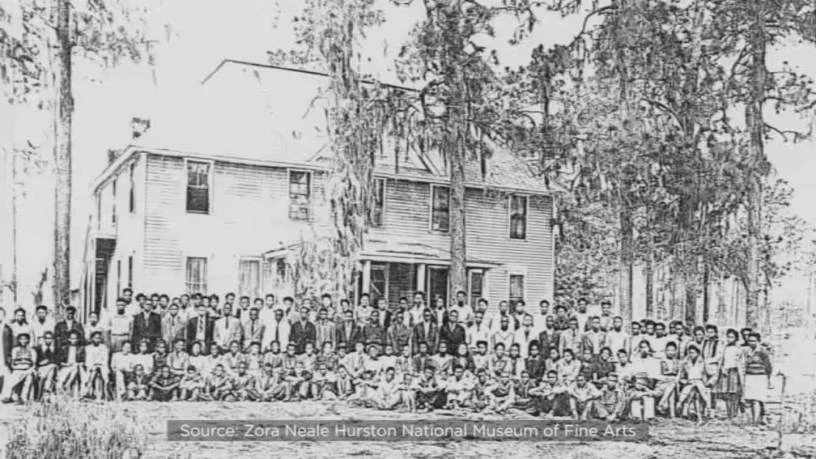
My assumption is that her upbringing in Eatonville helped shape her attitude. She was born in the interstitial space between the reconstruction when black people had the freedom to start their own towns, businesses, schools, etc. and beginning of Jim Crow laws, the formation of the KKK and the campaign to intimidate and halt black economies and culture by lynching black people and burning of black towns like Tulsa. Not that Eatonville wasn’t vulnerable to these same tensions, but the town wasn’t a Black corner of a white town or a community living under someone else’s rules. Formerly enslaved people founded it barely twenty years after the Civil War, on land they bought themselves, and in 1887 twenty-seven Black voters chose to govern themselves.
From its first mayor to its marshal to its shopkeepers, Eatonville was run by Black people for Black people. Your father, a preacher, was elected mayor. The authority figures in your childhood were Black: the mayor, the preacher, the teachers at the Hungerford School, and the storytellers gathered on the porch of Joe Clarke’s store.
Clarke himself was a formerly enslaved man who had helped found the town. Church and school, the institutions that held the community together, were Black-built and Black-led. Achievement and leadership, gossip and foolishness, all of it was simply what Black people did, because there was no one else to do it. I would ask her “I imagine the rise of Eatonville after the Civil War must have felt so empowering? I imagine there was a culture that would not allow people to adopt an identity as a victim, am I right?” In that environment did you see yourself through the eyes of white people?”
She wrote later that she didn’t become “colored” until the day she left Eatonville at thirteen and went to school in Jacksonville. Before that, the white people she knew were travelers passing through on the road, people she watched and waved at from the gatepost with curiosity and some amusement. Perhaps a child raised like that didn’t absorb the idea that Black life was mainly a story of suffering, or that Black people needed rescue or white approval to be whole. “Did that give you a lifelong conviction, sometimes a stubborn one, that Black culture was complete and valuable on its own terms?”
“Do you think you were privileged to feel this locus of control at such an early age? Could your statement be dismissive to people that never had that foundation?” I wonder how she would feel about the status and condition of black people in America today. Would she feel we have arrived? Would she dismiss the current rise in white supremacy movements? Would she acknowledge the New im Crow that emerged post Civil Rights Movement, in similar ways to the rise of Jim Crow the first time around, as a way of suppressing black political and economic power? Or would she see patterns in hindsight that do not force a binary between being whole as a person and needing healing and needing protections from oppression. Would she feel the same if Eatonville experienced the same destruction as Tulsa?
Psychology research supports Zora’s instinct, at least in part. “Victim mentality” isn’t a clinical diagnosis, but researchers have studied it as the “tendency for interpersonal victimhood,” an ongoing feeling that the self is a victim, generalized across many kinds of relationships. It has four dimensions: the need for recognition of the suffering, the tendency for moral elitism, the lack of empathy for others’ sufferings, and a tendency for rumination about past or future interpersonal offenses. People high in it recall offenses more, perceive them as more severe, and expect more to be harmed by others. Crucially, the researchers separate this mindset from the harm itself: a victimhood mindset can develop without severe trauma, and experiencing severe trauma doesn’t necessarily mean someone will develop it. Studies of post-traumatic growth add that positive and negative effects of trauma can coexist, so a person can be wounded and still grow.
I see Zora’s point that harm does not have to become identity. But the same research shows that wanting one’s suffering acknowledged is a normal psychological response to trauma and can help reestablish a person’s confidence in their perception of the world as a fair and just place to live. Studies of patients and therapists have found that validating the trauma is important for recovery. Acknowledging the harm is not the same as surrendering to it. It is often where healing begins.
Other Topics
Growing at the Speed of Trust
In 1927 and 1928 Zora visited Kossola (Cudjo Lewis) in Africatown, Alabama, a survivor of the Clotilda. She brought him peaches and watermelon and came back for months until he was ready to talk. Her first article about him leaned heavily on another writer's book. Publishers later rejected Barracoon because she wouldn't rewrite his speech in standard English, and it waited until 2018.
Dynamics of Philanthropy & Justice
In 1918, saving for Howard, Zora worked as a manicurist in George Robinson's Black-owned barbershop on G Street in Washington, which served only white customers. When a Black man demanded to be served, the barbers threw him out, and Zora wrote that she wanted him gone too. That night she recognized she had sided with Jim Crow, and she still resented him for endangering the livelihoods of Black families. Kamal read this story during the Black Lives Matter protests, and it is the question that started this project.
Also, a wealthy white patron, Charlotte Osgood Mason, paid Zora $200 a month to collect folklore. In return she claimed ownership of everything Zora gathered and tried to control what she published. Zora also worked for the Federal Writers' Project, a New Deal program, and later criticized the New Deal for creating dependency.
I have had to negotiate my own participation in the ivory towers of philanthropy, culture, civic and corporate power. Coming from the strategies passed down from the civil rights generation to get an education and get jobs that integrate black people into systems of power. I was part of a massive movement to simply get into predominantly white institutions. Stories of “the first black person to…” were coming with increasing frequency as we broke through one barrier after the other. The idea was that as we integrate we can change oppressive systems and inequity from within.
The generation coming in behind me was abandoning that strategy. They had lived in a world where diversity was destigmatized (or at least was perceived to be), they had a more lived experience of their right to belong, and agency was more common. They entered with an expectation of equity, not a hope for it. They were okay with the careful death of old stuck institutions, to make room for new ones that don’t carry the outdated residue that centered a narrow group of people. They were trying to build organizations that put an intersection of people’s priorities and experiences at the center. They didn’t feel the need to “play the game.” The attitude and logic of Zora on this day on G Street in 1918 was in stark contradiction to this generation. How would she reconcile that if she lived today?
Hip Hop & Black Representation
Richard Wright accused Zora of writing dialect that pleased white readers. Many younger writers came to see dialect as demeaning, given its history in racist caricature. Today Black vernacular shapes music, film and speech around the world.
Queer Culture: Then and Now
In 1926 Zora helped make Fire!! with Wallace Thurman, Richard Bruce Nugent and others. It published Nugent's "Smoke, Lilies and Jade," one of the first openly gay stories by a Black American writer. Many artists in her circle lived outside sexual convention, and drag balls and blues singers made queer life visible in Harlem. In her first story, "John Redding Goes to Sea," she used "queer" for a boy who longed to wander beyond the life laid out for him. Historians have speculated about her own private life, which she kept to herself.
Results of Integration
In 1955 Zora publicly opposed Brown v. Board of Education, arguing that Black schools and teachers had value and that a court order couldn't create respect. Black schools were badly underfunded, and the ruling changed what was possible for millions of children. It also led to the closing of many Black schools, and an estimated 38,000 Black teachers and principals in the South lost their jobs. Three years earlier, Zora had covered the trial of Ruby McCollum to expose white men's sexual power over Black women.
It runs through her joyful, unapologetic portraits of Black life in Their Eyes Were Watching God, and it also shaped her later politics, from her defense of Black schools to her distrust of anything that cast her people as victims.
The Binary of Right & Left
Zora was a Republican who supported Robert Taft, opposed the New Deal and Roosevelt's foreign policy, and was wary of preferential treatment. She insisted on being judged as an individual and rejected "race pride" as a measure of anyone's worth. Some conservatives now claim her as their own, while critics argue that her individualism overlooked structural injustice.
Abscurity
In 1948 Zora was falsely accused of abusing a child. She proved she had been in Honduras and the charges were dropped, but her reputation never fully recovered. In her last years she worked odd jobs, including as a maid, and she died in a county welfare home in 1960. Her papers were being burned when a deputy put out the fire. In 1973 Alice Walker found her grave and marked it.
Bridging the Gap
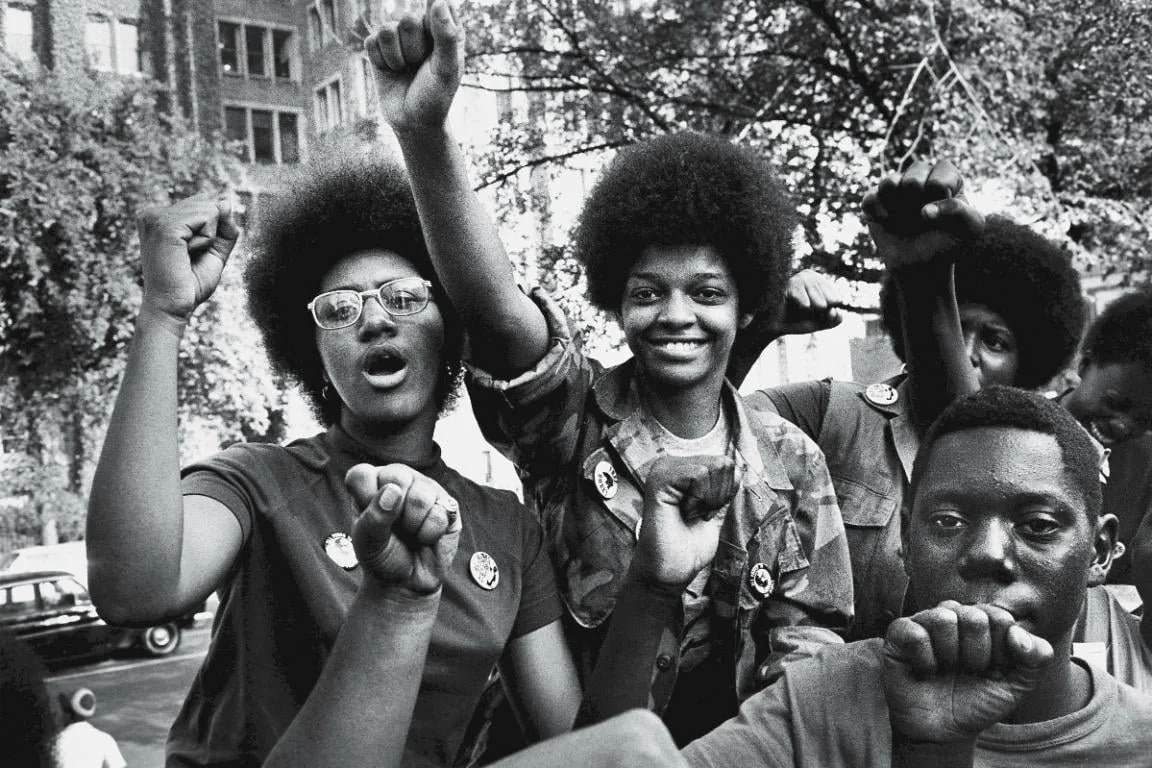
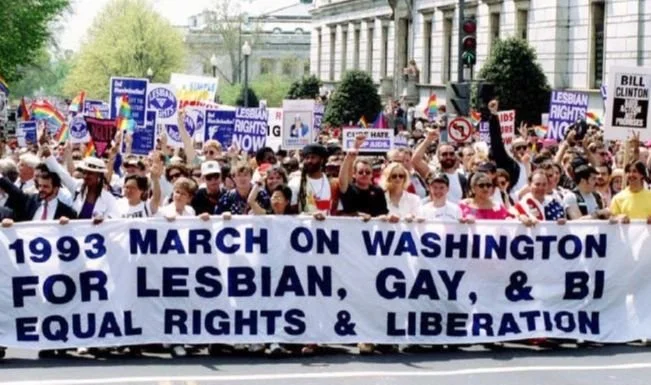
When Zora Neale Hurston died in January 1960, the country she left was on the edge of upheaval. The 1960s opened with the student sit-ins and Freedom Rides and rose to the March on Washington in 1963. Their moral force pushed through the Civil Rights Act of 1964 and the Voting Rights Act of 1965, finally dismantling the legal machinery of Jim Crow. The decade was also marked by violence: the assassinations of John F. Kennedy, Malcolm X, Martin Luther King Jr. and Robert Kennedy, uprisings in cities from Watts to Detroit, and an escalating war in Vietnam. As integration advanced, the Black Power and Black Arts movements turned toward self-definition and self-reliance, ideas Zora might have recognized from Eatonville. Lyndon Johnson’s Great Society and War on Poverty tested the government’s role in lifting people up, the very question she had argued about. Technology became a spectacle with the space race and the 1969 Moon landing, and television carried both the civil rights struggle and the war into American living rooms. Motown and soul gave the decade its sound, second-wave feminism and the counterculture challenged old norms, and the Stonewall uprising of 1969 marked the start of the modern gay rights movement. Underneath it all, a long postwar boom helped build a growing Black middle class even as housing and employment stayed deeply segregated.
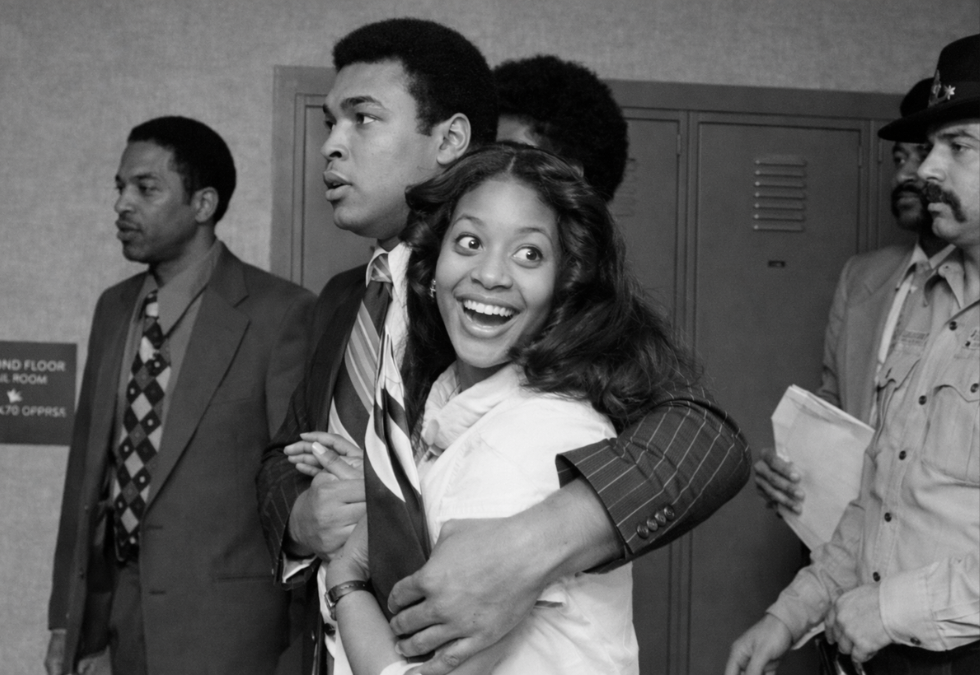
The 1970s brought both backlash and beginnings. Watergate drove Richard Nixon from office, the Vietnam War ended in defeat, and fights over school busing exposed how fiercely many white communities resisted integration. Affirmative action opened doors, and the 1978 Bakke decision began narrowing it. Black elected officials multiplied across the South and in the cities. The microprocessor and the first personal computers appeared, quietly setting up the decades to come. In the Bronx, young Black and Latino artists created hip-hop out of turntables, rhymes and abandoned blocks, raising street vernacular to an art form, as Zora had once done for the porch talk of Eatonville. Roots drew a vast television audience to the story of slavery, and Alice Walker went searching for Zora’s unmarked grave and returned her to readers, while Black feminists such as the Combahee River Collective named the overlapping weight of race, gender and class. Economically, oil shocks, inflation and deindustrialization closed the factories that had drawn Black families north, hollowing out the communities the Great Migration had built.
The 1980s were the Reagan era, defined by tax cuts, deregulation and a conservative revival, and by a War on Drugs that met the crack epidemic with aggressive policing and sentencing, starting the rise of mass incarceration. Jesse Jackson’s presidential campaigns showed new Black political ambition, and Martin Luther King Jr.’s birthday became a national holiday. Personal computers moved into homes, and cable television and MTV changed how culture spread. Hip-hop went mainstream, The Cosby Show put an affluent Black family at the center of American television, and Toni Morrison’s Beloved became a landmark novel about the lasting wounds of slavery. The AIDS crisis devastated gay communities, including Black gay men, whose writers and filmmakers fought to be seen and mourned. Inequality widened as wealth gathered at the top.
The 1990s began with the end of the Cold War and turned toward the digital age. The videotaped beating of Rodney King and the 1992 Los Angeles uprising after the officers’ acquittal laid bare continuing police violence. The 1994 crime bill and welfare reform reshaped Black communities in ways still debated today, and the Million Man March in 1995 called Black men to self-reliance and responsibility. The World Wide Web, email and cell phones transformed daily life, and the dot-com boom fueled the longest economic expansion in American history to that point, while globalization and trade agreements like NAFTA reshaped work. Hip-hop reached its golden age, Toni Morrison won the Nobel Prize in 1993, the Oakland “Ebonics” debate of 1996 revived the old argument over whether Black English is a language worthy of respect, and the documentary Paris Is Burning brought ballroom culture, a descendant of the Harlem drag balls, to wider audiences.
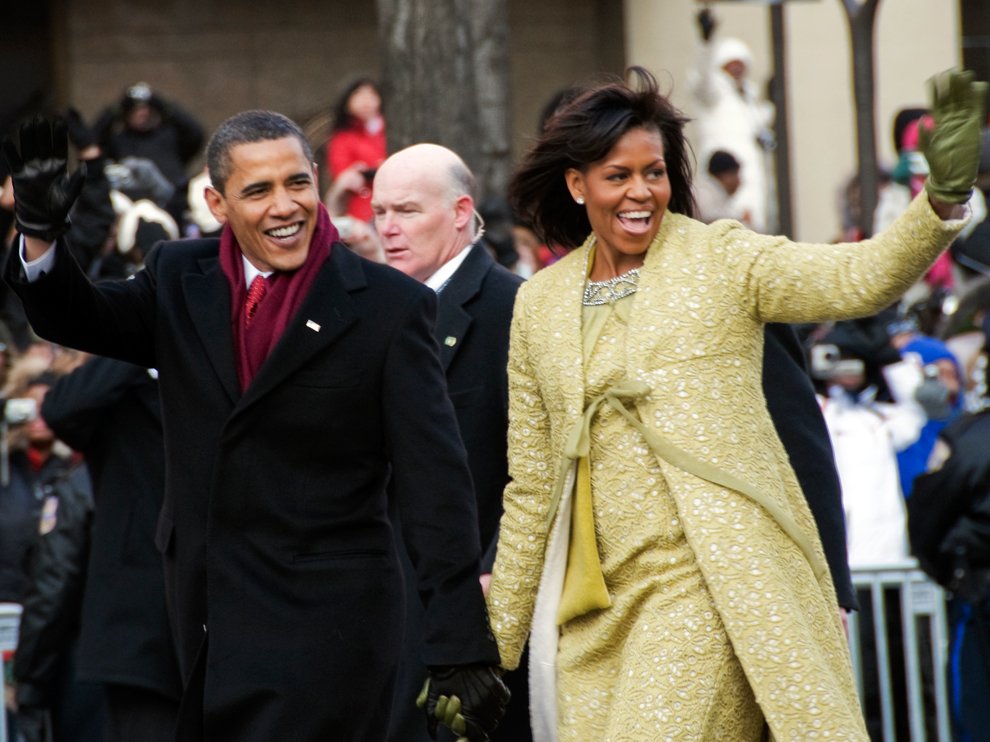
The 2000s opened with shock. The attacks of September 11, 2001, launched wars in Afghanistan and Iraq. In 2005 Hurricane Katrina revealed how readily the government could abandon a largely Black city. Search engines, social media and the iPhone, released in 2007, reorganized how people found information and connected with one another, and Black creators found new audiences online. In 2008 Barack Obama was elected the first Black president, a moment of extraordinary symbolic weight. That same year the financial crisis and the foreclosure wave wiped out a large share of Black household wealth, much of it held in homes.
The 2010s were a decade of connection and division. The Affordable Care Act expanded health coverage, and the Supreme Court legalized same-sex marriage in 2015. The killings of Trayvon Martin, Michael Brown and others gave rise to Black Lives Matter, which used social media to turn grief into a movement. Smartphones became universal, social media gained enormous power over news and politics, and the gig economy and machine learning changed how people worked. Black culture flourished: Black Panther became a global phenomenon, Beyoncé’s Lemonade turned Black women’s lives into visual art, the National Museum of African American History and Culture opened in 2016, and Zora’s Barracoon was finally published in 2018. The #MeToo movement and growing trans visibility challenged long-standing silences. Donald Trump’s election in 2016 and the open resurgence of white nationalist movements showed a country deeply divided. Tech fortunes soared while the racial wealth gap held stubbornly.
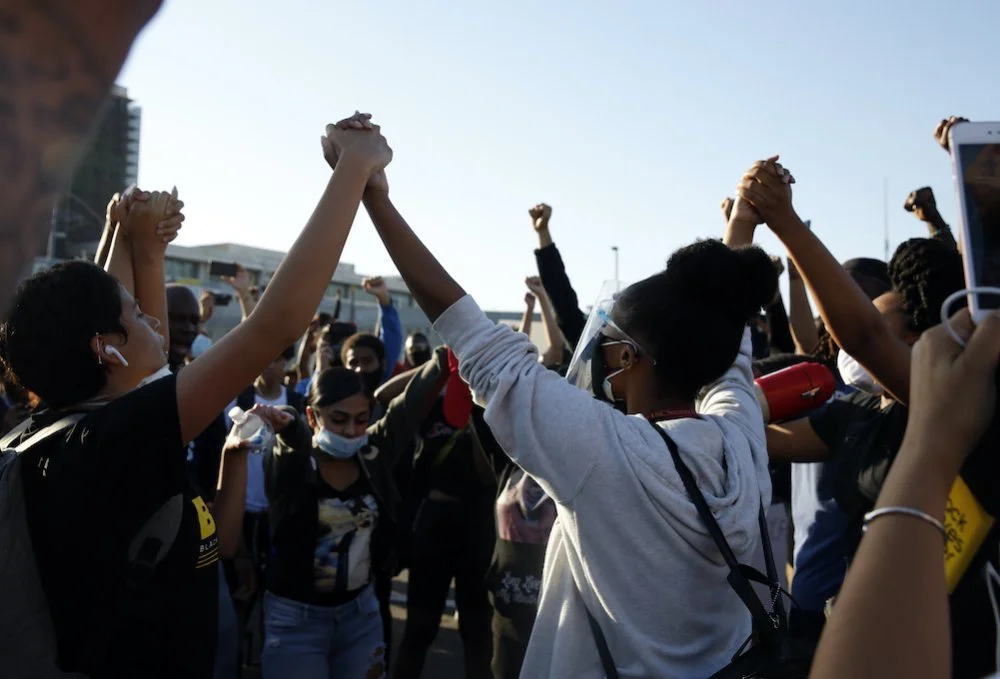
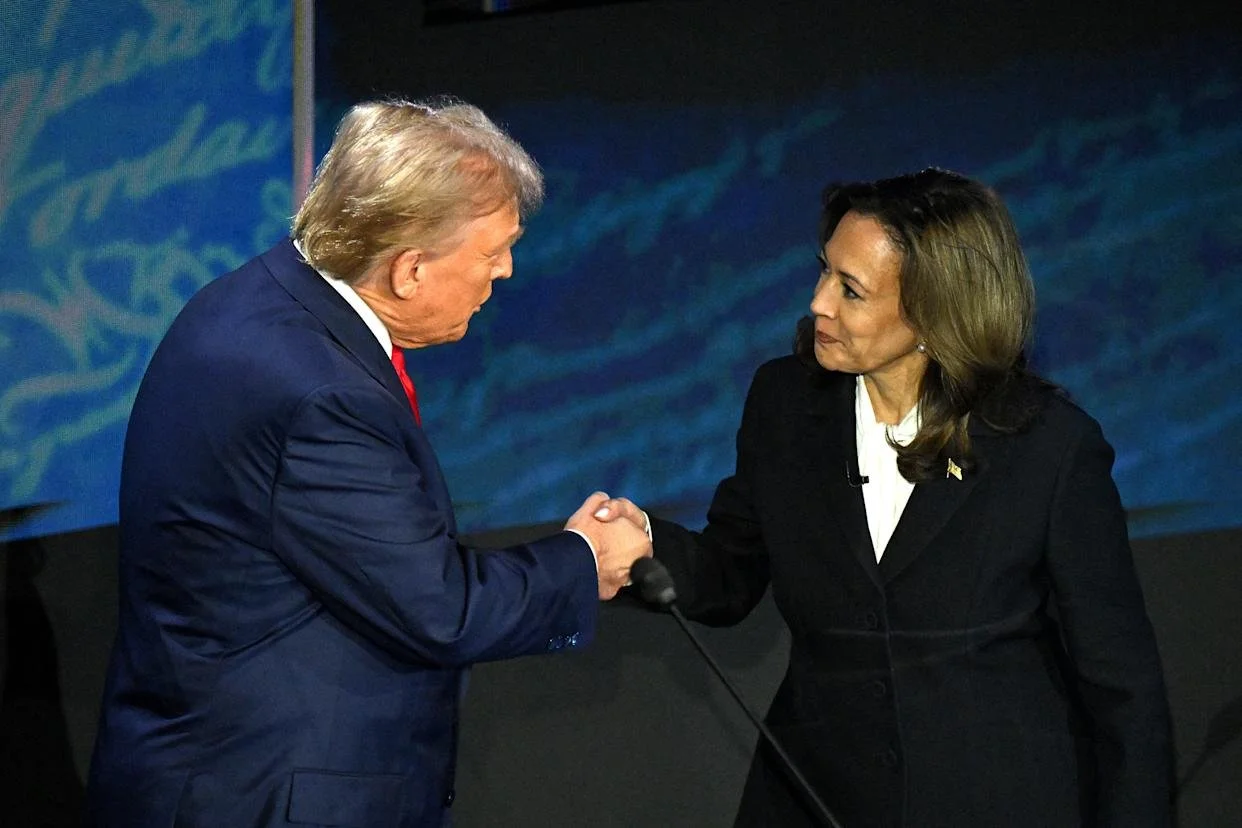
The 2020s have been shaped by pandemic, protest and artificial intelligence. COVID-19 killed more than a million Americans and hit Black communities especially hard, and the murder of George Floyd in 2020 set off what many consider the largest protests in American history. The attack on the Capitol on January 6, 2021, tested American democracy. That same year Juneteenth became a federal holiday, and the discovery of the Clotilda’s wreck in 2019 gave Kossola’s descendants in Africatown a new chance to tell their story. The Supreme Court overturned Roe v. Wade in 2022 and ended race-conscious college admissions in 2023, and fights over teaching race in schools and banning books spread across the country. In 2024 Kamala Harris became the first Black woman nominated for president by a major party. Donald Trump returned to office in 2025, and his administration rolled back federal diversity programs. Economically, the pandemic shock gave way to the highest inflation in four decades, soaring housing costs, renewed tariffs and trade conflict, and a massive wave of investment in AI. Generative AI, which entered public life with ChatGPT in 2022, is now reshaping work, art and authorship, raising questions about who owns a voice and whose stories machines learn to tell. As the nation marks its 250th anniversary in 2026, with midterm elections ahead, the questions Zora wrestled with remain open: what it means to be whole, what it means to heal, and who gets to tell our story.
What would she ask me about the things that have changed in incredible ways and things that have not changed at all.